

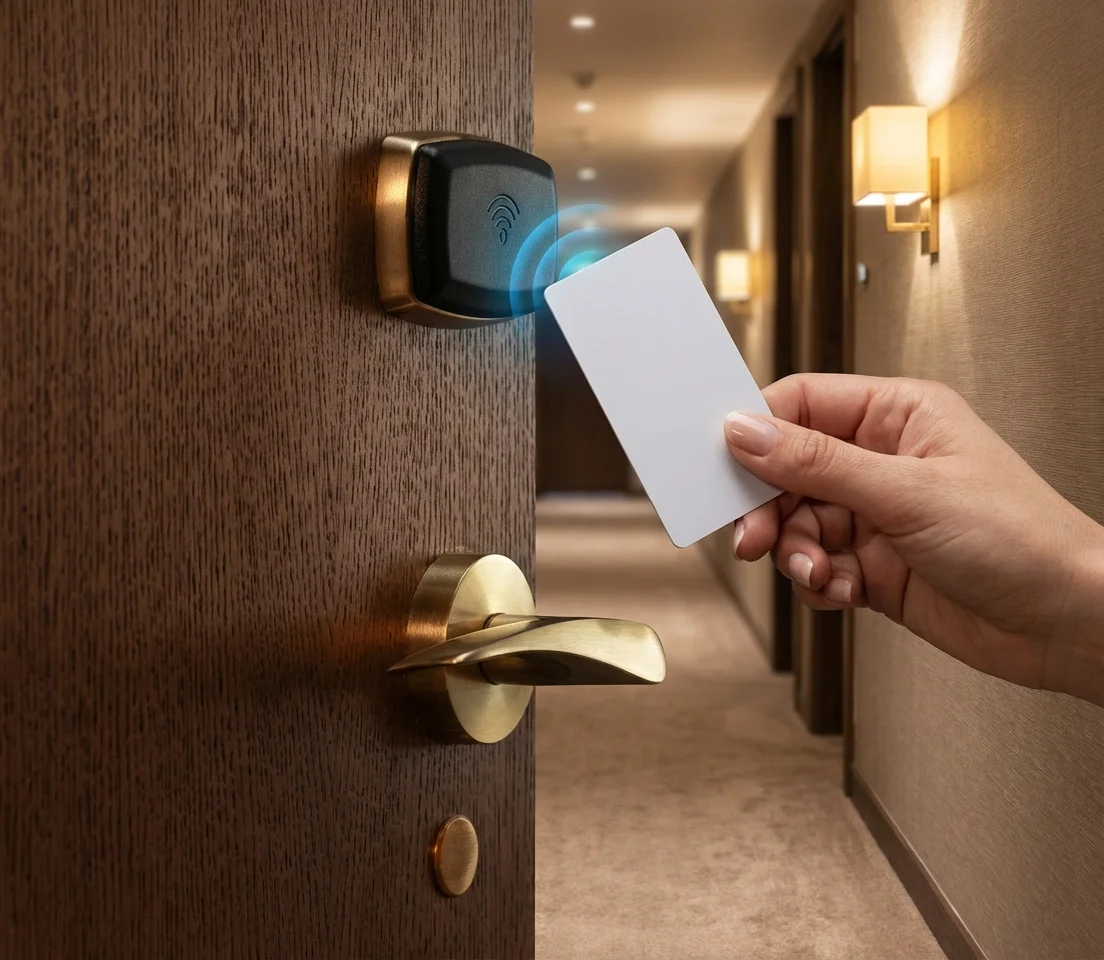
In today's world, where customer experience and data security are crucial, the hospitality industry is constantly seeking technologies that can enhance both. One emerging trend that has caught the attention of many is the adoption of MIFARE Ultralight C chips for hotel cards following the discontinuation of MIFARE Classic chips.
As the hotel industry evolves, these chips are proving to be an excellent choice due to their security features, user-friendly interface, efficient access control capabilities, and full compatibility with existing MIFARE infrastructures.
What Sets MIFARE Ultralight C Apart?
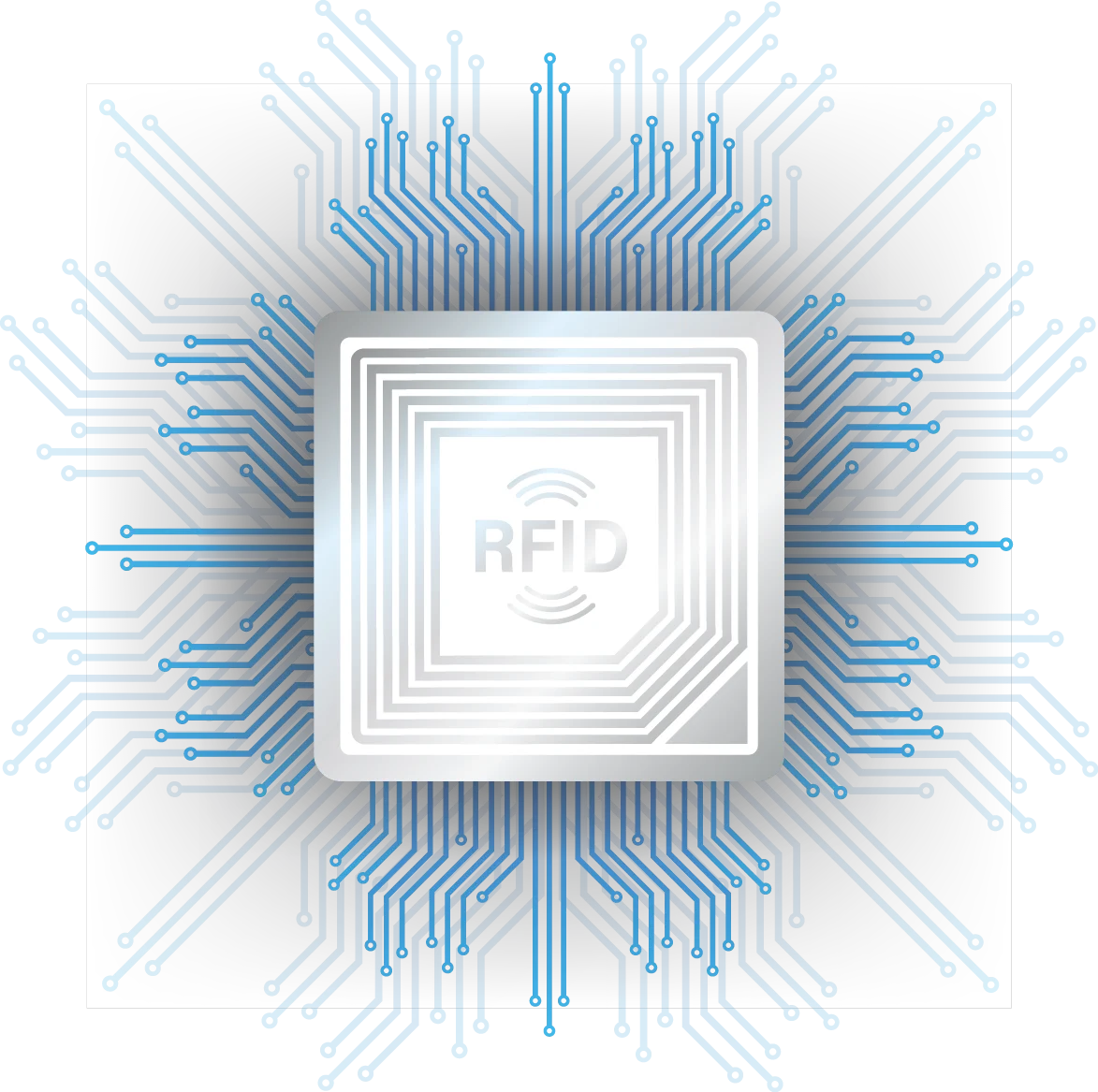
Operating at 13.56 MHz, MIFARE Ultralight C is an integrated circuit (IC) developed by NXP Semiconductors. It utilizes radio frequency identification (RFID) technology and boasts a memory capacity of 1,536 bits. The chip incorporates Triple DES security mechanisms, making it an ideal option for hotel cards as it provides exceptional protection against fraudulent activities. Many hotel lock vendors, such as Onity, Salto, and Dormakaba (Saflok), have already implemented Ultralight C in their complete system solutions.
Unmatched Security Measures for Your Hotel
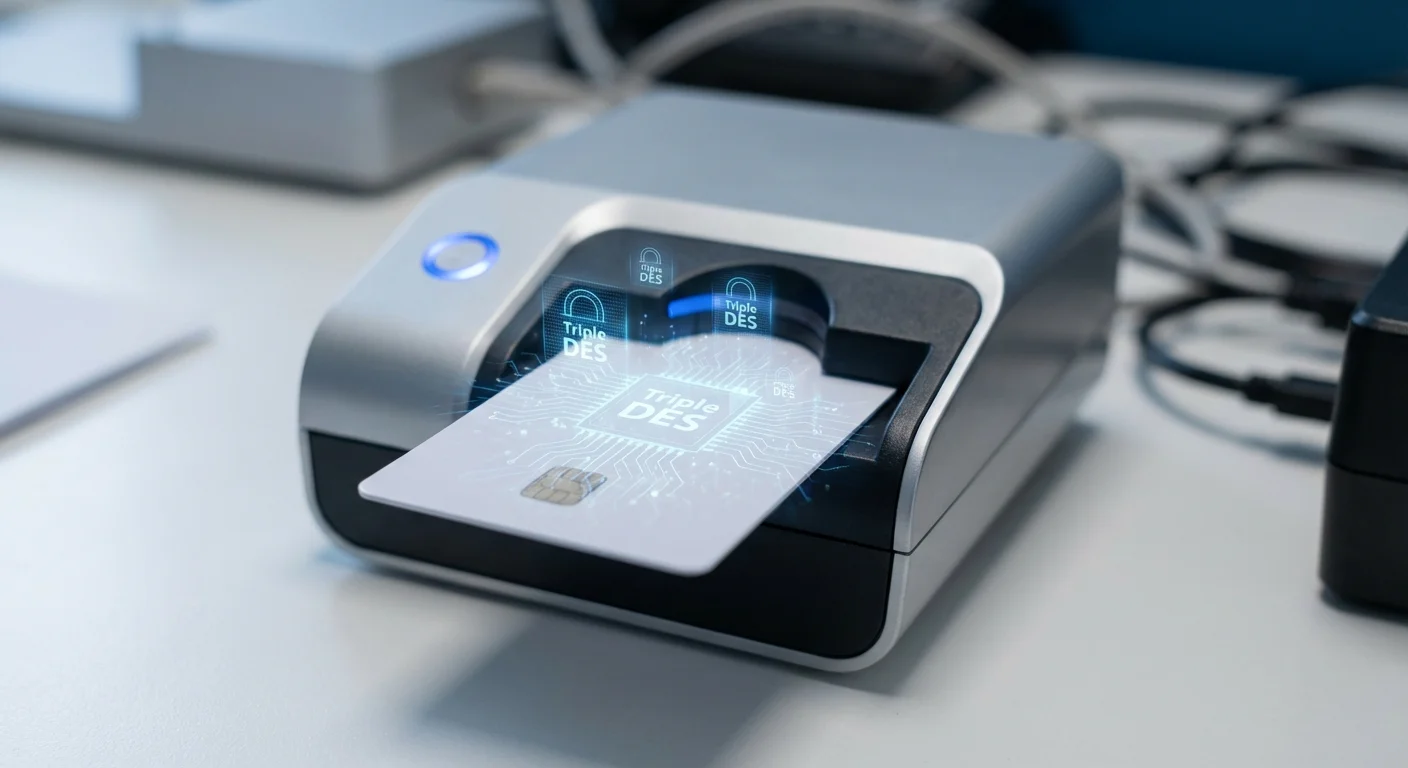
The transition to MIFARE Ultralight C primarily revolves around its security features. By employing the Triple Data Encryption Standard (3DES), an encryption protocol widely used in finance, this chip ensures secure storage and transfer of data even on high-volume applications. This powerful encryption significantly reduces the risk of unauthorized access or cloning attempts and prevents counterfeiting.
To further enhance security, there is a mutual authentication process. This process ensures that both the key card and the card reader confirm each other's identity before exchanging any data. It adds an extra layer of security to prevent unauthorized access. Additionally, the chip uses a Cyclic Redundancy Check (CRC) to maintain data integrity. This mechanism checks for errors during data transfer, ensuring that data transmitted from the card to the reader remains accurate and unaltered.
Triple DES Encryption
The MIFARE Ultralight C chips utilize Triple Data Encryption Standard (3DES), which is widely used in the industry as an encryption protocol. This robust method protects data stored on the chip and prevents unauthorized access, ensuring a secure key card system that safeguards guest information.
Data Retention and Write Endurance
MIFARE Ultralight C chips offer a data retention period of up to ten years, meaning that stored data remains intact for a decade. Additionally, they have a write endurance of 100,000 cycles, ensuring their durability and reliability even during prolonged usage.

Mutual Authentication Process
The chip facilitates a mutual authentication process where both the key card and the smart card reader verify each other's identity before sharing any data. This additional layer of security helps prevent unauthorized access and ensures that only genuine cards can interact with the hotel's system.
Seamless Usability and Efficient Integration
One of the key advantages of MIFARE Ultralight C chips lies in their user-friendliness. The contactless convenience of these chips makes the check-in process fast and smooth, enhancing the experience for guests. They also have a longer lifespan compared to traditional key cards, making them more durable and resistant to damage.
In terms of integration, MIFARE Ultralight C chips are fully compatible with door locking systems from manufacturers such as Onity, Dormakaba Saflok, and Salto, making it easy to integrate them into existing infrastructure. These chips have RFID technology embedded in them, which also allows for contactless unlocking. This feature is particularly useful in situations where maintenance staff need access without disturbing guests.