
Understanding the types of hotel rooms can be quite complex, especially when considering the sustainability practices hotels are incorporating into their offerings. Hotels categorize their rooms based on factors such as bed size, number of beds, interior design, furnishings, and eco-friendly amenities. For example, a room labeled as "single" could mean it is designed for one person, while other labels indicate occupancy for couples or larger groups. Defining room types goes beyond bed size or smoking preferences; it also involves considering the environmental footprint associated with each room, including the materials used in construction and decor, as well as energy consumption and waste production.
These distinctions in room types can sometimes overwhelm guests who simply want to understand what they are paying for and how their stay contributes to or minimizes environmental impact. The purpose of this guide is to help guests comprehend the various hotel room options available, assist hoteliers in pricing their rooms based on clear criteria, and highlight the sustainability features of each room type.
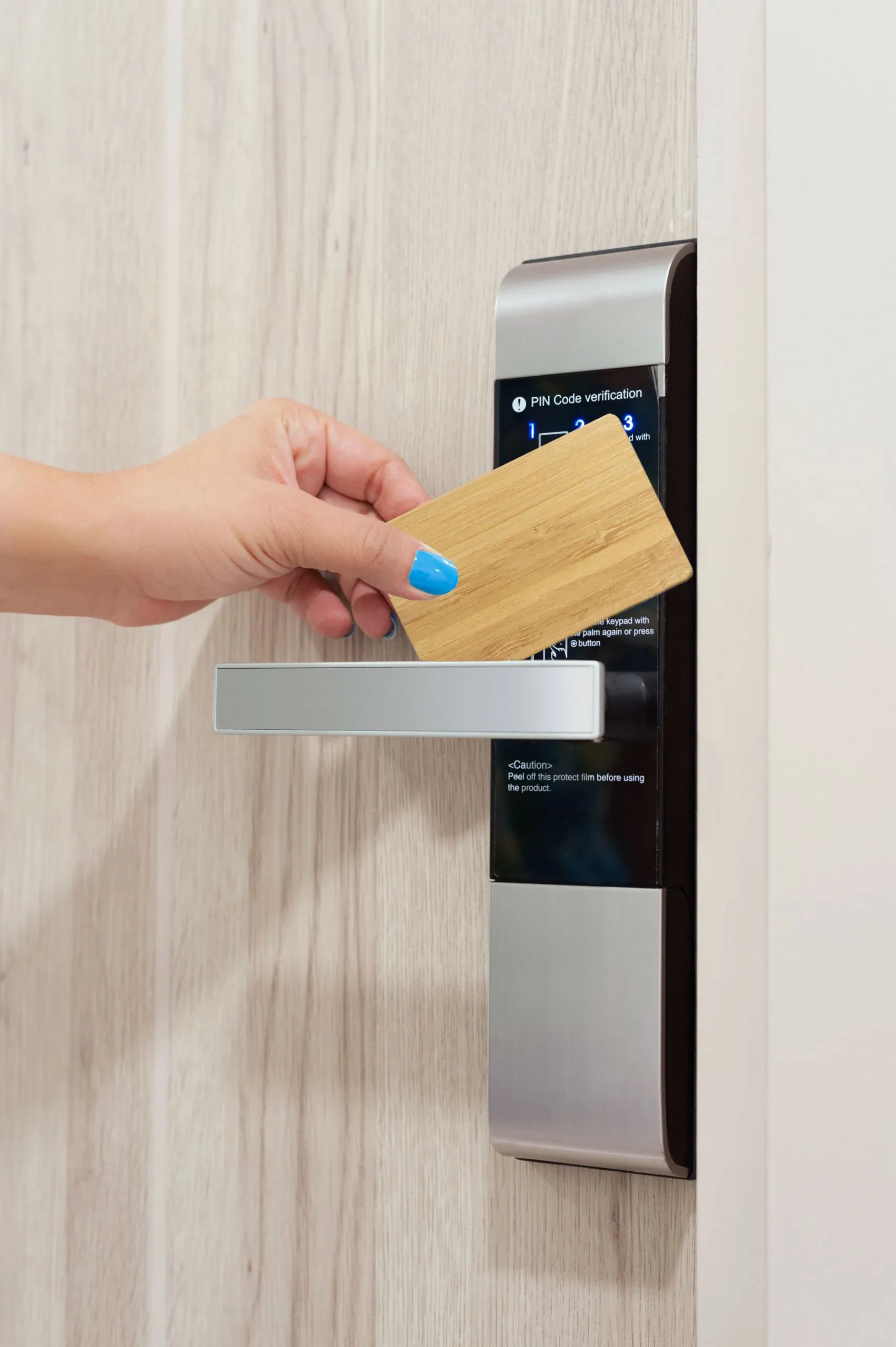
Modern RFID hotel key cards: seamless access for every room type
Different Types of Hotel Rooms Based on Occupancy
Hotels often categorize their rooms based on the number of people they can accommodate and the eco-friendly amenities they offer. Here is what you should know when you come across room labels that follow this approach.
- Single Rooms: These rooms are designed for one person or a couple. They may include energy-efficient lighting, organic cotton bedding, and environmentally friendly toiletries.
- Double Rooms: Suitable for two people, these rooms may have either one eco-friendly mattress or two twin beds made from sustainable materials.
- Triple Rooms: As the name suggests, these rooms comfortably accommodate three individuals. They might have energy-efficient appliances and locally sourced decor made from sustainable materials.
- Quad Rooms: Perfect for groups of four, quad rooms are spacious with two beds and may feature programmable thermostats that save energy and bathroom fixtures designed to conserve water.
It is important to keep in mind that hotels have occupancy limitations for each room type, regardless of the number or size of beds provided. This is done to ensure safety, comply with regulations, and minimize environmental impact. Guests are not allowed to exceed the maximum occupancy limit.
Hotels sometimes have an additional charge for accommodating guests beyond a specified limit. Alternatively, they might offer the option to add a cot in rooms where there is extra space.
Different Types of Hotel Rooms Based on Layout
Hotel rooms are also classified based on their layout and features. Factors such as size, the presence of a separate bedroom or kitchen area, and spacious living areas determine whether a room qualifies as a suite. These room designations can also indicate accessibility for people with disabilities, suitability for business travelers, or rooms designed with sustainability in mind.
- Standard Room: A standard room is typically similar to a queen or single room, perfect for solo travelers or couples. These rooms feature a comfortable bed with quality linens.
- Deluxe Room: Deluxe rooms are slightly larger and offer upgraded amenities or better views. They may include energy-efficient appliances, water-saving bathroom fixtures, and organic cotton linens.
- Adjoining Room: An adjoining room, also known as a connecting room, consists of two rooms that share a wall but do not have a connecting door. These rooms might feature energy-efficient lighting and locally sourced decor.
- Interconnecting Room: Interconnecting rooms have interior doors that connect them, as well as individual doors leading to the hallway.
- Suite: A suite is a type of hotel room that offers more space and amenities compared to standard rooms. It is typically divided into two or more separate areas: a bedroom and a living area, which often includes a lounge or sitting area, and sometimes a dining area or workspace. Some suites are equipped with kitchenettes. The presidential suite, which is usually the most luxurious option available, includes one or more bedrooms, a spacious living area, impressive amenities, and personalized services.
Hotels are legally obligated to provide rooms that cater to individuals with disabilities. These accessible rooms make it easier for wheelchair users to move around and have bathrooms equipped with appropriate features. Many of these rooms also incorporate sustainability elements like energy-efficient lighting and water-saving fixtures.
Some hotel rooms offer features that do not fit into any standard category. For instance, there might be a room that grants access to a club lounge where guests can enjoy breakfast made from locally sourced ingredients or participate in an afternoon wine hour.
Another type of room commonly found in boutique hotels is the cabana room. These rooms open directly onto the swimming pool and often include a private pool area.
Villas are typically situated within resorts. These spacious accommodations offer more room and privacy compared to standard hotel rooms. Villas usually come with multiple bedrooms, a living room, a swimming pool, and a balcony. They may also include energy-efficient appliances and water-saving fixtures.
It is worth noting that not all hotels provide penthouse suites. These luxurious and spacious accommodations are considered high-end options. In some cases, they occupy the top floor of the hotel and offer premium amenities for guests.
It is important to communicate with guests about things that might seem obvious to hotel staff. For example, when guests hear "adjoining rooms," they might assume it refers to a suite with living and bedroom areas. However, it actually means rooms located next to each other. Sharing additional information, such as the proximity of rooms to hotel entrances or providing detailed descriptions of room types, helps potential guests gain a clear understanding of your property.